
Getting your first driver’s license in Illinois is a rite of passage that opens up new opportunities for work, school, and everyday life. Whether you’re a teenager preparing for your first taste of independence or an adult who’s relocating from another state, understanding the process will save you time and frustration.
This guide walks you through everything you need to know about how to get a driver’s license in Illinois—from gathering the right documents to passing your exams and walking out with your temporary paper license in hand.
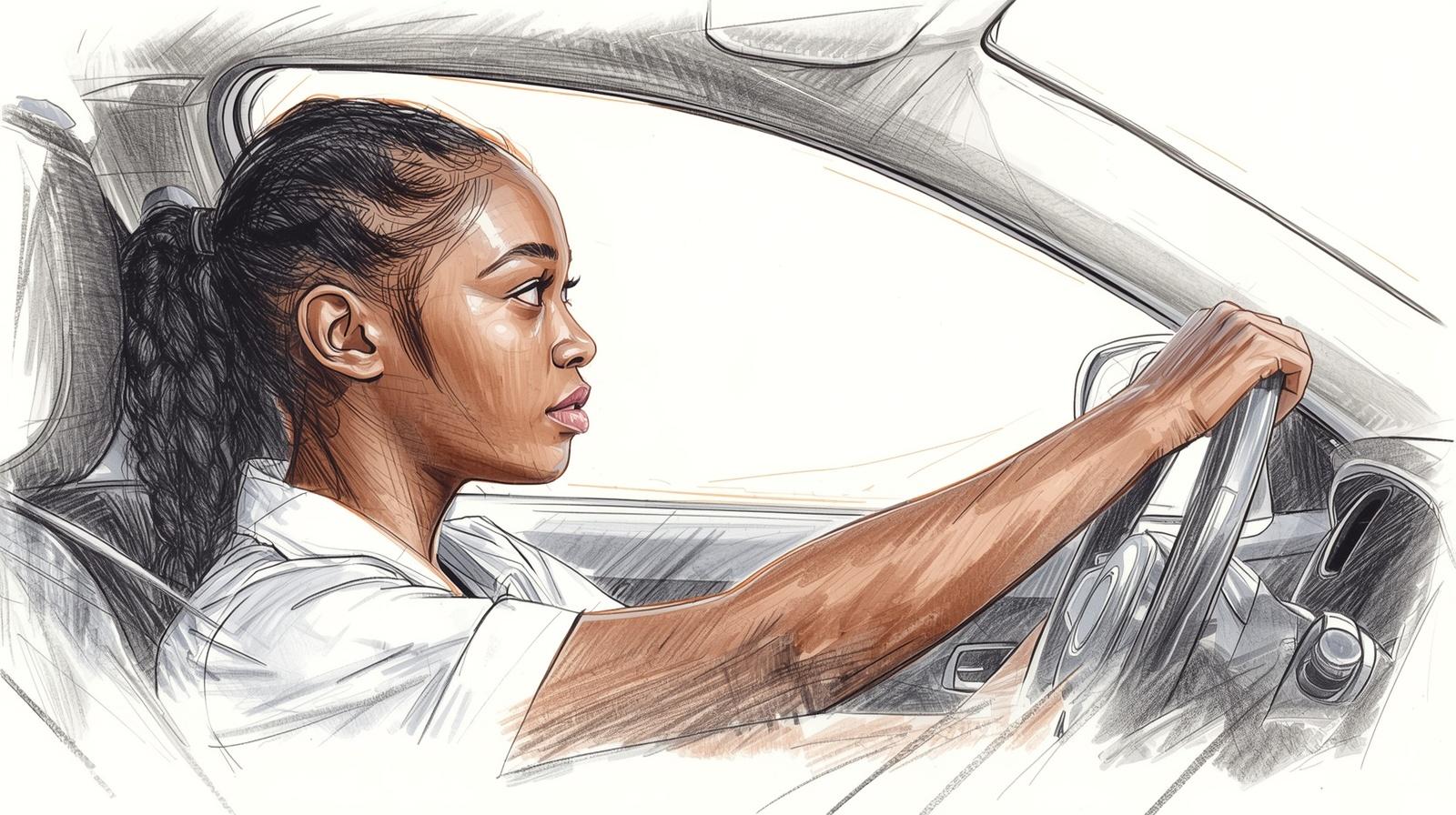
Overview of Getting an Illinois Driver’s License
Illinois driver’s licenses are issued by the Illinois Secretary of State (SOS), not a generic “DMV” like in some other states. This is an important distinction because you’ll be searching for “Secretary of State Driver Services” facilities, not DMV locations.
First-time applicants must appear in person at a Secretary of State Driver Services facility. There’s no way around this requirement—online applications alone won’t cut it for new licenses.
Every applicant must:
Prove their identity with valid identification documents
Provide their social security number (or follow alternative procedures if unavailable)
Show proof of Illinois residency with at least two documents
Pass required vision, written, and road tests (unless exempted)
Pay the applicable fee and have a photo taken
The process differs slightly depending on your situation:
Teens (15–17): Follow the Graduated Driver Licensing (GDL) system
Adults (18–20): May need to complete a 6-hour adult driver education course
Adults (21+): Standard adult licensing with no education requirement
International students: Additional immigration documentation required
New residents: May transfer an out-of-state license with fewer tests
Once you complete all requirements, you’ll receive a temporary paper license on-site that’s valid for up to 90 days. Your permanent license arrives by mail within about 10–15 business days.
Illinois Driver’s License Requirements by Age Group
Illinois uses a Graduated Driver Licensing (GDL) system designed to help young drivers build experience gradually before gaining full driving privileges. Understanding which age category applies to you will help you prepare correctly.
Here’s how the age-based requirements break down:
Ages 15–17 (Instruction Permit and Initial License) Teens must complete state-approved driver education, obtain an instruction permit at age 15, and hold it for at least nine months before becoming eligible for an initial license at age 16. Restrictions on passengers and nighttime driving apply during the first year.
Ages 18–20 (Adult with Education Requirements) Adults in this age range who never completed driver education as a teen must finish a state-approved 6-hour adult driver education course before applying for a license. This requirement can be completed through certified online or in-person providers.
Ages 21+ (Standard Adult Licensing). Adults 21 and older are not required to take driver education. However, you’ll still need to pass the vision test, the written Illinois permit test, and the road test unless you’re transferring a valid license from another state in good standing.
Before heading to a Driver Services facility, review the latest version of the “Illinois Rules of the Road” handbook available on the SOS website. Rules and requirements can change, so checking official state resources ensures you have the most up-to-date information.
Documents You Need to Bring
Illinois follows a Real ID-compliant document checklist organized into specific categories. Bringing the wrong documents—or photocopies instead of originals—is one of the most common reasons applications get delayed.
Identity Documents (bring one):
Valid U.S. passport or foreign passport with visa and I-94
U.S. birth certificate with raised seal (certified copy)
Certificate of Naturalization or Citizenship
Permanent Resident Card (Green Card)
Employment Authorization Document (EAD)
Consular ID (for certain license types)
Social Security Number Proof (bring one):
Original Social Security card
W-2 or 1099 form showing your full SSN
Pay stub with your name and complete SSN
SSA-1099 or non-SSA-1099 tax form
Illinois Residency Proof (bring two):
Signed lease agreement or mortgage documents
Recent utility bill (gas, electric, water, cable) dated within 90 days
Bank statement dated within 90 days
Vehicle registration or an Illinois insurance card
Pay stub with your Illinois address listed
Official school letter with your current address
Important reminders:
All documents must be originals or certified copies—photocopies and screenshots are not accepted
If your current name differs from what appears on your identity documents due to marriage, divorce, or a court order, bring linking documents (marriage certificate, divorce decree, or court order showing the name change)
Reference the official Illinois Secretary of State “Acceptable Identification Documents” complete list on their website before your visit
Step-by-Step: How Adults (18+) Get an Illinois Driver’s License
This section covers the process for adults aged 18 and older applying for their first Illinois license or transferring from another state. Following these steps in order will help you pass on your first try.
Step 1: Confirm Eligibility and Gather Documents. Review the document requirements above and collect all necessary originals. If you’re 18–20 and have no prior driver education, enroll in and complete an approved 6-hour adult course first—you’ll need the Certificate of Completion.
Step 2: Schedule a Visit or Check Wait Times. Use the SOS website to find your nearest Driver Services facility. Some locations allow appointments, while others are walk-in only. Large city offices tend to have longer wait times, so plan accordingly.
Step 3: Complete the Application. You may be able to start your application online before arriving, or you’ll complete the form on-site at the state facility. Have your documents ready for review.
Step 4: Pass the Vision Screening. A brief vision test checks your ability to see clearly. If you wear glasses or contacts, bring them. Failing the vision screening means you’ll need to get corrective lenses or an eye exam before proceeding.
Step 5: Take the Written Knowledge Test. The written test covers material from the “Rules of the Road” handbook:
Road signs and their meanings
Traffic laws, including speed limits, right-of-way rules, and school zone regulations
DUI laws and penalties
Parking rules and safety procedures
Study the handbook thoroughly and take online practice tests to prepare. Most facilities offer the exam on a computer, and you’ll receive your results immediately.
Step 6: Take the Road Tes.t The driving exam evaluates your real-world vehicle control and decision-making. Expect:
A pre-drive vehicle safety check (lights, signals, mirrors)
Basic maneuvers like turning, lane changes, backing up, and parking
Driving in regular traffic while following the examiner’s verbal instructions
You must bring your own insured vehicle with a valid registration for this test. Make sure your car is in good working order before test day.
Step 7: Pay the Fee and Have Your Photo Taken. Current license fees vary by age and license type. Check the SOS website for exact dollar amounts before your visit. After paying, you’ll have your photo taken for the permanent license.
Step 8: Receive Your Temporary License Once all tests are passed and fees paid, the facility issues a temporary paper license valid for up to 90 days. Your permanent license arrives by mail within 10–15 business days.
The entire process typically takes about an hour, though wait times and testing schedules can vary. Allow extra time if you’re visiting during busy periods.
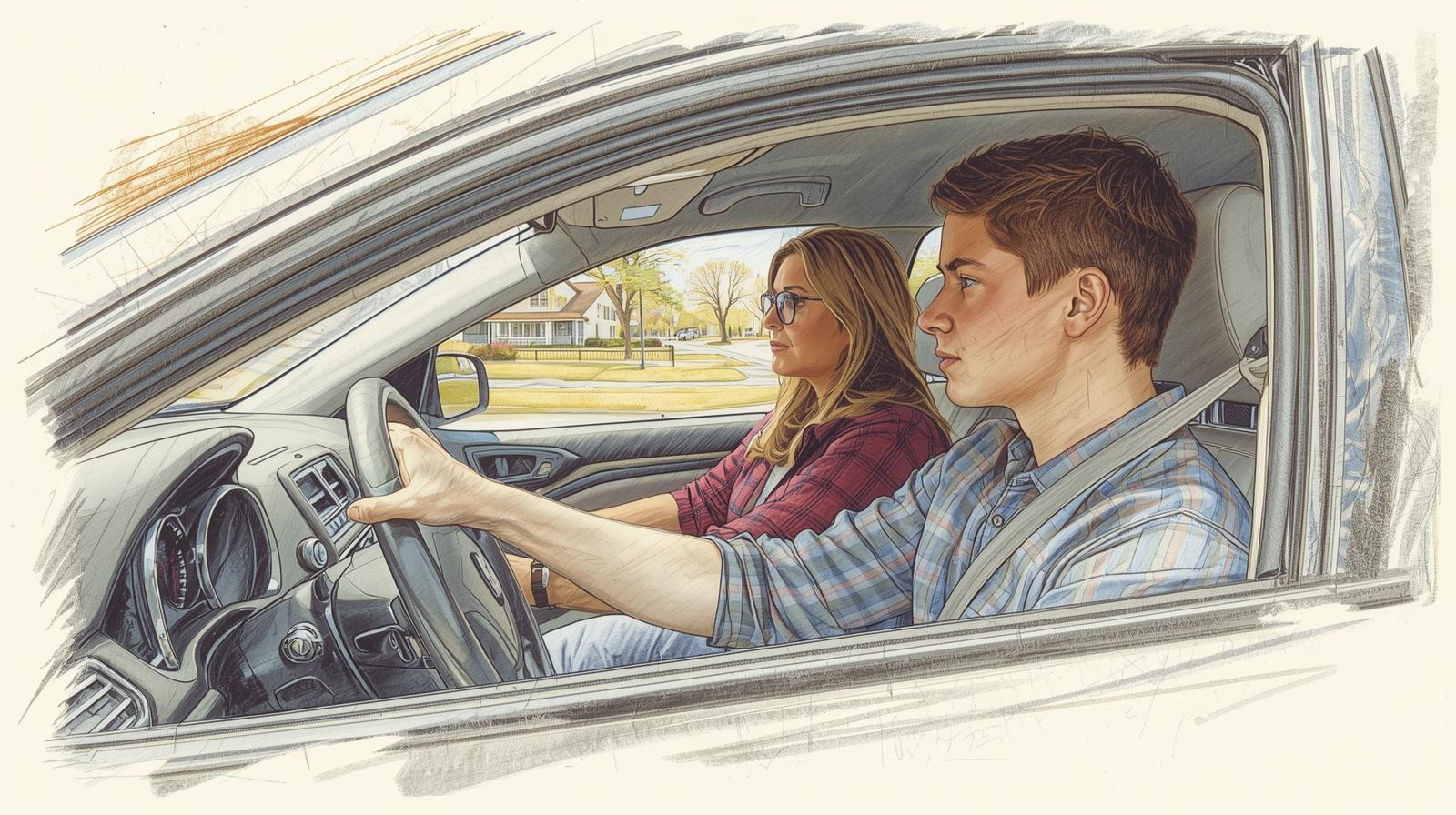
How Teens (15–17) Get a License Under Illinois GDL
The Illinois Graduated Driver Licensing program is designed to gradually increase driving privileges for teen drivers while they build experience under supervised conditions. Here’s how each phase works.
Instruction Permit Phase (Age 15+)
To obtain an instruction permit, teens must:
Be at least 15 years old
Enroll in a state-approved driver education course (high school or commercial program)
Bring standard identity documents, a social security card or proof, and two proofs of Illinois residency
Have a parent or guardian provide written signature consent
Permit driving rules include:
Must always drive with a licensed adult age 21 or older who has at least one year of driving experience
Cannot drive outside permitted hours (typically 6 a.m. to 10 p.m. on weekdays with some weekend extensions)
No cell phone use while driving except for emergencies
Must complete 50 hours of supervised practice driving, including at least 10 hours at night
Parents or guardians must log all practice hours on the official SOS form and sign to verify completion.
Initial Licensing Phase (Age 16+)
After holding the instruction permit for at least nine months with no moving violations, teens can apply for their initial license at age 16. Requirements include:
Completion of all driver education components (classroom and behind-the-wheel)
Passing the driving test demonstrates safe vehicle operation
Clean driving record during the permit phase
First-year restrictions on the initial license:
Nighttime driving curfew applies
Passenger limits restrict how many non-family members can ride in the vehicle
Zero-tolerance policy for alcohol or drugs—any violation results in immediate consequences
These restrictions remain in place for 12 months or until the driver turns 18, whichever comes first. Violations during either the permit or initial licensing phase can extend restrictions, lead to license suspension, or delay full licensing privileges.
Special Situations: International Students, OPT, and New Illinois Residents
Non-U.S. citizens and people relocating from another state follow slightly different procedures, but still apply at a Driver Services facility in person.
International Students
If you’re studying in Illinois on an F-1 or J-1 visa, gather these documents before visiting:
Valid foreign passport
Current visa stamp
I-94 arrival/departure record (print from CBP website)
Form I-20 (F-1 students) or DS-2019 (J-1 scholars)
Two documents proving your Illinois address
Timing tip: Wait until after your classes start and your SEVIS record is fully updated. If your immigration status cannot be instantly verified at the facility, staff may scan and send documents to the Department of Homeland Security for secondary verification—this can delay processing for several weeks.
Students and Scholars on OPT
If you’re on Optional Practical Training (OPT), you’ll need:
Valid Employment Authorization Document (EAD)
Updated I-20 with OPT recommendation
Standard identity and residency documents
Those with an expiring license and a pending EAD renewal may be eligible for a Temporary Visitor Driver’s License (TVDL) if they meet residency requirements. Check with the SOS office about current TVDL availability.
New Illinois Residents
If you’re moving to Illinois with a valid out-of-state license in good standing:
Surrender your previous state license at the Driver Services facility
Provide standard identity, social security, and Illinois residency documents
Complete a vision screening (written and road tests typically waived if your license is valid and unexpired)
Obtain your Illinois license within the required timeframe after establishing residency
Critical warning for all non-citizen applicants: Do not register to vote during the license application process. Registering or voting as a non-citizen—even accidentally—can have serious immigration consequences, including visa denial and deportation.
Choosing a Driver Services Facility and What to Expect on Visit Day
Illinois operates numerous Driver Services facilities across the state. Choosing the right location and knowing what to expect can make your visit much smoother.
Finding Your Facility
Use the official Secretary of State website to locate the nearest office. Consider these factors:
Hours of operation: Some facilities have limited weekday hours or are closed on certain days
Services offered: “Express” locations may not conduct road tests—verify before visiting
Appointment availability: Some offices require appointments, while others accept walk-ins
Large city locations in Chicago and its surrounding suburbs often have longer wait times than smaller city or rural facilities. The Champaign office on Round Barn Road and the Springfield Wabash Avenue office are examples of full-service facilities, but always confirm current hours and services online.
What Happens During Your Visit
A typical visit follows this sequence:
Take a queue number upon arrival
Wait to be called to a service window
Present all documents for staff review
Complete any required testing (vision, written exam, driving exam)
Pay applicable fees
Have your photo taken
Receive your temporary paper license
Practical Tips for Visit Day
Arrive early—lines build throughout the day
Bring your own insured vehicle for the road test with valid registration and plates
Double-check all documents are originals before leaving home
Expect to wait—plan for at least 1–2 hours, longer on Saturdays and after holidays
Bring patience—staff are processing many applications daily
After You Receive Your Illinois License
Once your permanent license arrives by mail, verify that all information is correct—your name, address, date of birth, and license class should all match your application. Contact the Secretary of State’s office promptly if you spot any errors.
Renewal Rules to Know
Illinois driver’s licenses typically have multi-year validity periods, with renewal requirements varying by age:
Age Group | Renewal Period | Special Requirements |
|---|---|---|
Under 75 | Every 4 years | Standard renewal |
75–78 | Every 4 years | Vision test may apply |
79–86 | Every 2 years | In-person vision test; written test if violations on record |
87+ | Annual | Road test required |
These rules reflect 2026 changes to senior driver licensing—always verify current requirements on the SOS website.
Staying Legal on Illinois Roads
New drivers should strictly follow all Illinois traffic laws:
Mandatory seat belt use for all occupants
Posted speed limits, especially in school and construction zones
Zero-tolerance alcohol laws for drivers under 21
No cell phone use while driving (hands-free only)
Serious violations like DUI, reckless driving, or repeat speeding offenses can lead to license suspension or revocation. Your driving record follows you, affecting insurance rates and future licensing.
Optional Updates
During your license application, you may have made choices about organ and tissue donor registration and emergency contact information. Both can be updated later through the SOS if your preferences change.
Getting your driver’s license in Illinois is a straightforward process when you arrive prepared with the right documents and knowledge. Study the Rules of the Road handbook, verify your documents match requirements, and give yourself plenty of time on test day.
Safe driving habits start from the moment you get behind the wheel—make every mile count.