
Traffic school and defensive driving courses can be a real game-changer for many drivers. Whether you’re looking to improve your skills, reduce points on your license, or secure an insurance discount, these programs offer many benefits. With so many options available, selecting the one that fits your situation is essential.
This guide will break down what you need to know about Traffic School & Defensive Driving programs. We’ll cover the fundamentals, the advantages, and how to choose the best program for your specific requirements. By the end, you’ll have the information to drive more confidently.
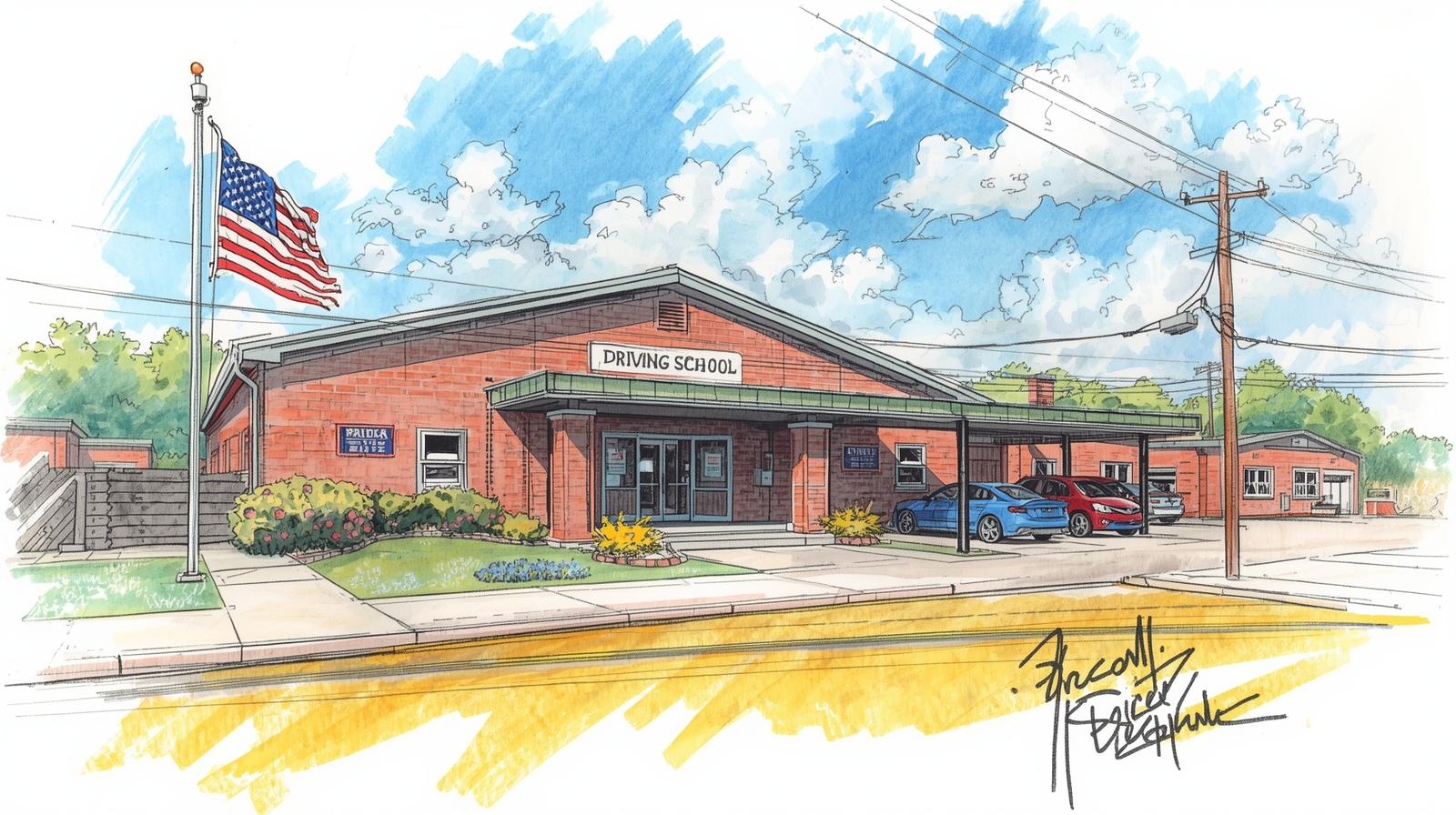
What Are Traffic School and Defensive Driving Courses?
First, let’s clarify what these courses involve. Traffic school and defensive driving courses are educational programs created to improve your driving abilities and knowledge of road safety. While the terms are often used interchangeably, there are distinct differences between them.
These programs, whether referred to as a general driving school or a specific driving class, aim to make you a more responsible and aware driver. The main goal is to promote driving safety for everyone on the road.
Traffic School
Traffic school typically focuses on traffic laws and safe driving practices. It’s often required by courts or the motor vehicle department for drivers who have received a traffic ticket or want to remove points from their driving record. Successful completion can sometimes lead to the dismissal of a violation, preventing an increase in car insurance premiums.
Many states offer traffic school online, providing a convenient option for those who cannot attend in-person sessions. These online courses cover the same material as traditional classroom settings. Some states even have specific requirements for their school online programs to be recognized.
Defensive Driving
Defensive driving courses teach proactive driving techniques to anticipate and avoid potential accidents. These courses emphasize hazard recognition, risk assessment, and making safe driving decisions. Unlike traffic school, which is often reactive, defensive driving is about cultivating a mindset of continuous vigilance and preparedness.
These defensive driving courses are frequently taken voluntarily by individuals looking to become safer drivers or to qualify for an insurance reduction from their insurance company. Many employers, especially those with a fleet of vehicles or commercial driver employees, encourage or mandate defensive driving classes to reduce accident rates and promote a culture of safety. These driving courses often go beyond basic rules, focusing on defensive driving techniques for various conditions.
Benefits of Taking Traffic School & Defensive Driving Courses
You might be wondering about the tangible advantages of enrolling in Traffic School & Defensive Driving. The benefits are numerous and can impact your driving habits, your wallet, and your safety. These safety courses offer more than just fulfilling a court order.
Investing time in a driving safety course can yield long-term positive outcomes. It is an investment in your safety and the safety of others. Many education courses are structured to be engaging and informative.
Here are some of the top benefits:
- A point reduction on your driving record can prevent license suspension.
- Potential dismissal of traffic tickets, saving you from fines and further penalties.
- Lower insurance premiums are available because many insurance companies offer discounts for completing defensive driving classes. This is often called a point insurance reduction.
- Improved driving skills, leading to greater confidence and competence behind the wheel.
- Increased road safety awareness, helping you anticipate and avoid hazards.
- Fulfillment of requirements for a driver’s license in some specific situations or for certain types of permits.
- Enhanced knowledge for a commercial driver to maintain a clean record and ensure job security.
- Join a community of safer drivers dedicated to accident prevention.
Research from various safety organizations has shown a correlation between completing a defensive driving school program and a decrease in future traffic violations and accidents. For example, some studies suggest that drivers who have completed a defensive driving class are less likely to be involved in collisions. This demonstrates the real-world effectiveness of these driving safety courses.
Moreover, the knowledge gained can contribute significantly to accident prevention. Understanding common causes of accidents and learning how to avoid them is a core component of these programs. This focus on driving safety helps make the roads safer for everyone.
How to Choose the Right Traffic School & Defensive Driving Course
With numerous options available, picking the right Traffic School & Defensive Driving course can seem like a challenge. Considering several factors will help you make an informed decision that meets your specific needs. Not all driving classes are created equal, and the right one for you depends on your circumstances.
Course Format: Online vs. Classroom
Do you prefer the structure of in-person classroom courses or the flexibility of online learning? Many providers now offer online traffic school and online defensive driving courses, which can be highly convenient for individuals with busy schedules or transportation limitations. Online courses often allow you to study at your own pace, fitting the main content around your life.
Conversely, classroom courses offer direct interaction with driving instructors and fellow students, which some learners find more engaging. Consider your learning style and how you best absorb information when choosing between an online driver improvement course and a traditional one. School online options also vary in interactivity and support.
Course Duration
The length of driving courses can vary, typically ranging from a few hours to a full day or even spread over several shorter sessions. State requirements often dictate the minimum duration for court-approved courses taken for ticket dismissal or point reduction. Check your local motor vehicle division guidelines or court order to determine the required length.
Cost and Hidden Fees
Prices for Traffic School & Defensive Driving can vary significantly between providers and course types. While it might be tempting to choose the cheapest online defensive driving course, consider the quality of the material and the provider’s reputation. Be cautious of extremely low prices that may come with hidden fees for services such as sending the completion certificate or processing your information.
Look for transparent pricing. Some training center options might offer package deals, but always read the fine print. The goal is to find a quality driver improvement program that offers good value.
State Approval and Accreditation
This is a critical factor, especially if you are taking the course to satisfy a court order or for an official point insurance reduction. Make sure the course is DMV-approved by your state’s Department of Motor Vehicles or equivalent agency, such as the Arizona Motor Vehicle Division, if you are in Arizona, or the California DMV if you reside there. For legal matters, confirming it is court-approved or even Supreme Court-approved (in jurisdictions where this applies) is essential.
Reputable providers will clearly state their approvals and accreditations. You can often verify this information on your state’s motor vehicle department website. Choosing an unapproved course could mean the authorities or your insurance company won’t recognize your efforts.
Curriculum and Main Content
Review the course curriculum to understand what topics are covered. A good defensive driving school will offer comprehensive main content covering traffic laws, defensive driving techniques, hazard perception, and accident prevention strategies. Look for courses that are up-to-date with current regulations and best practices for driving safety.
Some driving safety courses might also include modules on specific issues like distracted driving, road rage, or driving under the influence. The quality of the education course material will directly impact how much you learn and benefit. Some courses are open-book for the final exam, which can reduce test anxiety.
Provider Reputation and Reviews
Research the reputation of the defensive driving school or online traffic school provider. Look for reviews from past students to get an idea of their experience with the course material, customer service, and the ease of receiving their completion certificate. A provider with a long history and positive feedback is generally a safer choice.
Check if the provider offers support for online driver issues and how responsive they are. Some driving school providers may specialize in online driving courses, while others have a strong background in classroom courses. Choose one that aligns with your needs for a driver training program.
Top Traffic School & Defensive Driving Course Providers
To help you start your search for a suitable Traffic School & Defensive Driving program, here is a list of some well-regarded course providers. These organizations have established themselves in the field of driver safety education. Remember to verify their approval for your specific state and needs.
- iDriveSafely: Known for its convenient online courses and wide state approvals.
- Aceable: Offers modern, mobile-friendly online traffic school and defensive driving classes.
- GoToTrafficSchool: Offers a range of affordable online defensive driving courses.
- National Safety Council (NSC): A non-profit organization with a long history in driving safety, which offers both online and classroom courses.
- AAA (American Automobile Association): Often provides driver improvement programs and safety courses through local chapters, trusted by many for auto insurance needs.
Each of these providers offers different types of driving courses to suit various requirements and learning preferences. It’s a good practice to visit their websites, compare their offerings, and check if their main content covers the driving techniques relevant to you. Consider factors such as ease of use for online defensive driving options and the process for receiving completion documentation.
What to Expect in a Traffic School & Defensive Driving Course
So, what exactly will you learn in these Traffic School & Defensive Driving courses? While the specific content of defensive driving courses and traffic schools can vary by state and provider, most programs cover a core set of topics designed to make you a more knowledgeable and safer driver. Understanding the typical curriculum can help you prepare.
The aim of these education courses is practical application, not just theoretical knowledge. Many driving classes incorporate real-life scenarios and interactive elements. The focus is always on improving driving safety and responsible behavior.
Traffic Laws and Regulations
You will receive a comprehensive refresher on current traffic laws, road signs, and traffic signals. This part of the driver training is vital as laws can change, and it is crucial for maintaining your driver’s license privileges. Understanding the rules of the road is fundamental to safe driving.
Safe Driving Techniques
A significant portion of any defensive driving class focuses on teaching safe and defensive driving techniques. This includes learning about maintaining proper following distances, how to navigate intersections safely, managing speed effectively, and strategies for driving in adverse weather conditions or heavy traffic. You’ll learn practical driving techniques to handle everyday road situations.
Hazard Recognition and Risk Management
These safety courses train you to identify potential dangers on the road proactively. This involves scanning your environment, recognizing distracted or aggressive drivers, and understanding how to react appropriately to avoid collisions. Learning to manage risk is a key component of defensive driving.
Impaired and Distracted Driving
The curriculum will cover the grave dangers of driving under the influence of alcohol or drugs. It will also address the growing problem of distracted driving, including texting while driving and other behaviors that take your attention away from the road. This section often highlights legal consequences and the impact on driving safety.
Accident Prevention Strategies
A core goal is accident prevention. You will discover strategies for avoiding common types of collisions, such as rear-end crashes, intersection accidents, and lane-change mishaps. The course will also explain what steps to take if you are involved in an unavoidable accident situation, emphasizing safety and proper procedures.
Course Completion and Final Exam
Most Traffic School & Defensive Driving courses conclude with a final exam to assess your understanding of the material. For many online courses, this test can be taken online, and some are even open-book, allowing you to refer to the course material. Upon successful completion, you will receive completion documentation, typically a completion certificate, which you may need to submit to the court or your insurance company.
Make sure you understand the process for obtaining your completion certificate and any associated timelines. For online driver improvement courses, this certificate is often available for download or sent via mail. This document is proof of your effort in the driving class.
Tips for Getting the Most Out of Your Course
To make sure you are not just fulfilling a requirement but genuinely benefiting from your Traffic School & Defensive Driving course, here are some tips to maximize your learning experience. Your engagement directly impacts how much you retain and apply. The aim is to drive safely long after the course ends.
- Take notes during the course, whether it’s an online driving course or a classroom session. This helps reinforce learning.
- Participate actively in discussions and activities if you are in an in-person driving class.
- Apply the defensive driving techniques you’ve learned to your daily driving habits right away.
- Minimize distractions while taking an online defensive driving course to focus on the main content.
- Consider taking a refresher driver improvement course every few years to keep your knowledge current.
- Review the material even after passing the final exam to reinforce safe driving practices.
- Understand the privacy policy of online providers, especially regarding your personal information and how cookies set by the website are managed; check your privacy preferences.
Remember, the objective of these safety courses extends beyond simply passing. It is about becoming a more responsible, aware, and safer driver. The skills learned in a driving school or defensive driving school can last a lifetime.
The Legal and Insurance Implications of Driving Courses
Completing a Traffic School & Defensive Driving course can have significant legal and financial benefits. Courts often mandate these driving classes for traffic ticket dismissal or point reduction on a driving record. This can prevent your driver’s license from being suspended and help avoid stricter penalties.
For instance, in states like California, the California DMV has specific guidelines for traffic school online eligibility and completion. Similarly, the Arizona Motor Vehicle Division (or any state’s motor vehicle division) sets the rules for driver improvement programs and how they affect your record. Always verify that the course you choose is DMV-approved and meets all requirements of the court-approved mandate, if applicable.
From an insurance perspective, many insurance companies offer an insurance reduction on auto insurance or car insurance premiums for drivers who voluntarily complete defensive driving classes. This point insurance reduction can lead to considerable savings over time, often offsetting the cost of the driving course itself. Contact your insurance company to inquire about their specific policies and available discounts on insurance rates before enrolling.
Specific Considerations for Different Drivers
While Traffic School & Defensive Driving offers general benefits, certain drivers might have specific considerations. For a commercial driver, maintaining a clean driving record is paramount for employment. Specialized defensive driving school programs for commercial driver professionals often cover topics relevant to larger vehicles and industry regulations, contributing to overall driving safety within their sector.
Younger, less experienced drivers can significantly benefit from the foundational knowledge and driving techniques taught in these education courses. Senior drivers might find refresher driving safety courses helpful to adapt to changes in traffic laws and maintain their driving confidence. Regardless of experience, the goal is to cultivate safer drivers across all demographics.
Many states have specific programs. For example, a vehicle division might offer courses tailored to particular regional driving challenges. Exploring what your local Arizona motor vehicle department or equivalent offers can be beneficial. Some courses also focus on specific driving point reduction rules pertinent to your state.
The Impact of Traffic School & Defensive Driving on Road Safety
It is not just about individual benefits like ticket dismissal or lower insurance rates. These driving courses play a crucial role in making our roads safer for everyone. When drivers learn and apply defensive driving techniques, the likelihood of accidents decreases, contributing to overall community driving safety.
The National Safety Council and other organizations report that defensive driving courses can lead to a significant reduction in collision rates and traffic violations among those who complete them. By enrolling in a traffic school online or an in-person driving class, you are not just improving your own skills and driving record; you are actively participating in a collective effort for accident prevention and fostering a culture where people drive safely.
Ultimately, the widespread adoption of skills learned in defensive driving school programs helps reduce the economic and social costs associated with traffic accidents. This commitment to driver safety benefits drivers, passengers, and pedestrians alike. The role of good driving instructors in classroom courses and well-designed online defensive driving courses is vital in this effort.